Athazagoraphobia, or fear of being forgotten, is a common aliment among people. We all want to do something that firmly plants us in society so that our names will be remembered years after we pass. Only handful of people actually do something to make their name immortal. March 23rd was the 25th anniversary of the death of an economic master mind, Friedrich Hayek. And whether it was his intention to have his name resonate through the centuries or just a happy accident, his name and ideas have remained in the economy of our country.
Friedrich, born in Vienna on may 8th, before he became a Noble Prize winner and one of the most influential people in the twentieth century, he served in the Austrian army. When he left the service he went back to school and got degrees in Law and Political Science. He first began to do a study on business cycles or trade cycles more commonly know today as booms and recessions. He moved to England and joined the London School of Economics. His research on booms and recessions soon surfaced his name, but it was short lived when he crossed paths with his economic rival, John Manfred Kangs. Hard to picture that such an influential man such as Friedrich used to be in the shadows of another. Kangs promoted the idea that the government could successfully handle and manage the economy. So its not hard to guess why Hayek's time in the shadows was so short considering that was the idea he went up against. The economy is way to complicated and the information needed to make decisions is too "decentralized for a centrally planned economy". Hayek moved to Chicago and there published three books bringing more attention to his ideas. In 1974 he finally got the recognition his work deserved and was awarded the Nobel Prize in Economics. In 1991 his outlook on economics became even more reliable with the collapse of the Soviet Union, proving just why he didn't jump on the "Kangs bandwagon" of thinking. Its no wonder why his name will be remembered, its hard to forget someone who was so overwhelming right.
Two of his greatest observations are on 'Knowledge and Prices' and 'Economic Booms and Busts'. Knowledge and Prices points how the consumer can make decisions as if they have a large amount of knowledge about the product, an amount of knowledge that is impossible to really know, and they make these same decisions without any knowledge at all. They only thing thy costumer knows is the price, and they make and change decisions according to if that number goes up or down. Booms and busts, similar to booms and recessions, is about when the government plays a role in the economics and how it changes things, even if they have the best intentions, for worse. Someone in government can have, what they think is, a good idea. They have the authority and money to produce the product, but not the market. They don't know what the consumers want, after all if there was a highly demanded item business's would begin the produce it on their own to make a profit, without the government. But since the item is out there and the budget is being spent on an unwanted item we are presented with a "bust" in our economy. This still very much applied to our day-n-age but nowadays people are a little more apprehensive about letting the government into any part of their life, so maybe soon we can expect more booms than busts.
And these are not the only things Hayek has opinions about that still affect us. He has quotes on very controversial topics of today such as minimum wage, "We know, in other words, the general conditions in which what we call, somewhat misleadingly, an equilibrium will establish itself: but we never know what the particular prices or wages are which would exist if the market were to bring about such an equilibrium.", Terrorism, "Emergencies’ have always been the pretext on which the safeguards of individual liberty have been eroded." and even welfare, "A claim for equality of material position can be met only by a government with totalitarian powers."
Friedrich Hayek died 25 years ago, yet his name and his ideas still live on. He lived to see the rise and fall of fascism, the Soviet union and national socialism. He was the corner stone in the beginning steps towards our economic freedom. The things he exposed about economics and the way of thinking were revolutionary when he proposed them, and still are today in our ever changing society. He is a worthy man to remember and celebrate.
Saturday, May 20, 2017

Saturday, May 13, 2017
All Dogs Go To Heaven
Where did all the men go?. A question NOT as old as time, but rather just brought up in recent studies. Jobs have always been a hot topic when it comes to equality, the gap in pay and hiring percentages with women particularly. But in a recent article by Nicholas Eberstadt, the issue with how men are basically disappearing out of the work force brought to light.
Shocking how just a short while ago we were all kicking and screaming for there to be a more equal divide in the working place and now the "under dogs" so to speak have taken over. But is it by brute force, or sheer laziness by the opponents? Between 1965 and 2015 the work rates for the average man drastically dipped to the point were the percent of unemployment was just lower of that when our country just came out of the depression. Sadly, some of these men, who are perfectly qualified between the ages of 25 to 54, are simply just not looking for a job. Scraping by, causing an unnecessary gap in the work force. But our country still thrives, for our economy has managed to produce more wealth for its elite, even though is generates less employment for its workers. Is that we are losing such qualified workers? Because we, without them are still producing wealth and them, while doing nothing, are reaping some of the benefits? Our net worth is soaring while our employment is dying. Breeding laziness perhaps? Or just a generation with no work ethic? Our unemployment is right where we were in the 2000, a disheartening 4.7%. We boast of our "full employment" country yet the "work rate" for men 20 and up was over a "fifth lower than it was in 1948." But why the drop? Women and, again, laziness.
Like mentioned before, there was a constant battle between men and women in the work force for equal everything. There still is comments said under breaths, behind backs, and hidden behind a computer screen. But the reality is, they have begun to dominate. All the woman in power montage of the last couple years has sky rocketed them in practically any industry. Not a surprising consequence is the percent of men being hired lowering. If one number goes up the other has to go down. Unless you're just awful at math.
The other issue, a trend in todays day and age, is this feeling of entitlement to do nothing. AKA lazy sons of guns. It has become socially acceptable and even "cool" to be scraping by and not working. Between 1965 and 2015, the percent of prime-age men who weren't working or looking for work expanded more than three times faster than the number in the workforce. So more people capable of working, but didn't want to, out numbered the people who were actually employed.
I'm not going to speak much to the racial differences with this topic because lazy is lazy, no matter your "color", where you came from or how you were brought up. But to comment on it, "work rates and labor-force participation rates for white men today are lower than they were for black men in 1965". They are lower for white men then blacks in 1965.
Education always plays a huge factor in getting jobs. Higher GPA higher paying job is basically what is seared into our brains at a young age. But maybe that is not as true in the "real world" as we are lead to believe. We can see how behavior and choice also affect "labor-market" outcomes for men. "For prime-age men with less than a high school degree, labor-force participation rates today are roughly 20 percentage points higher".
For the economic view I'm going to use a direct quote because quite frankly, I can't express the issue from an economic view point as well as an expert.
"Economists do not have a singular answer for why demand for lower-skilled and middle-skilled labor is falling. Possible causes include technological advances and globalization, including import competition and offshoring. … Some economists point to “skill-biased technological change:” advances that benefit workers with certain skills more than others. … These forces have, among other things, eliminated large numbers of American manufacturing jobs over a number of decades … leaving many people — mostly men — unable to find new ones."
It is not one issue, therefore there is not "quick fix", in fact is there a fix at all? The economy is a fickle thing always changing and we are just all trying to stay a float and hope we don't become a statistic.
But there needs to be action of some kind. If the employment of men continues to decrease it will eventually catch up with our economy, slowing our growth creating a larger gap, higher welfare bills, and budget deficits. It could possibly cripple us socially destroying the cohesion in employment. What kind of action you ask? To start, revitalize the job generating capacities. Also, if the overly qualified man doesn't want the job, give it to one who maybe is less qualified but at least has the gumption to look for work.
So where did all the men go? Nowhere really. Some are retired, some hiding, some blatantly just not wanting to work. But there are men ready and willing to work and fill the gap, we just need to be willing to find them.
Shocking how just a short while ago we were all kicking and screaming for there to be a more equal divide in the working place and now the "under dogs" so to speak have taken over. But is it by brute force, or sheer laziness by the opponents? Between 1965 and 2015 the work rates for the average man drastically dipped to the point were the percent of unemployment was just lower of that when our country just came out of the depression. Sadly, some of these men, who are perfectly qualified between the ages of 25 to 54, are simply just not looking for a job. Scraping by, causing an unnecessary gap in the work force. But our country still thrives, for our economy has managed to produce more wealth for its elite, even though is generates less employment for its workers. Is that we are losing such qualified workers? Because we, without them are still producing wealth and them, while doing nothing, are reaping some of the benefits? Our net worth is soaring while our employment is dying. Breeding laziness perhaps? Or just a generation with no work ethic? Our unemployment is right where we were in the 2000, a disheartening 4.7%. We boast of our "full employment" country yet the "work rate" for men 20 and up was over a "fifth lower than it was in 1948." But why the drop? Women and, again, laziness.
Like mentioned before, there was a constant battle between men and women in the work force for equal everything. There still is comments said under breaths, behind backs, and hidden behind a computer screen. But the reality is, they have begun to dominate. All the woman in power montage of the last couple years has sky rocketed them in practically any industry. Not a surprising consequence is the percent of men being hired lowering. If one number goes up the other has to go down. Unless you're just awful at math.
The other issue, a trend in todays day and age, is this feeling of entitlement to do nothing. AKA lazy sons of guns. It has become socially acceptable and even "cool" to be scraping by and not working. Between 1965 and 2015, the percent of prime-age men who weren't working or looking for work expanded more than three times faster than the number in the workforce. So more people capable of working, but didn't want to, out numbered the people who were actually employed.
I'm not going to speak much to the racial differences with this topic because lazy is lazy, no matter your "color", where you came from or how you were brought up. But to comment on it, "work rates and labor-force participation rates for white men today are lower than they were for black men in 1965". They are lower for white men then blacks in 1965.
Education always plays a huge factor in getting jobs. Higher GPA higher paying job is basically what is seared into our brains at a young age. But maybe that is not as true in the "real world" as we are lead to believe. We can see how behavior and choice also affect "labor-market" outcomes for men. "For prime-age men with less than a high school degree, labor-force participation rates today are roughly 20 percentage points higher".
For the economic view I'm going to use a direct quote because quite frankly, I can't express the issue from an economic view point as well as an expert.
"Economists do not have a singular answer for why demand for lower-skilled and middle-skilled labor is falling. Possible causes include technological advances and globalization, including import competition and offshoring. … Some economists point to “skill-biased technological change:” advances that benefit workers with certain skills more than others. … These forces have, among other things, eliminated large numbers of American manufacturing jobs over a number of decades … leaving many people — mostly men — unable to find new ones."
It is not one issue, therefore there is not "quick fix", in fact is there a fix at all? The economy is a fickle thing always changing and we are just all trying to stay a float and hope we don't become a statistic.
But there needs to be action of some kind. If the employment of men continues to decrease it will eventually catch up with our economy, slowing our growth creating a larger gap, higher welfare bills, and budget deficits. It could possibly cripple us socially destroying the cohesion in employment. What kind of action you ask? To start, revitalize the job generating capacities. Also, if the overly qualified man doesn't want the job, give it to one who maybe is less qualified but at least has the gumption to look for work.
So where did all the men go? Nowhere really. Some are retired, some hiding, some blatantly just not wanting to work. But there are men ready and willing to work and fill the gap, we just need to be willing to find them.
Sunday, April 23, 2017
Heaven: Now Accepting Résumés
Ephesians 2:8-9 "For it is by grace you have been saved, through faith—and this is not from yourselves, it is the gift of God— not by works, so that no one can boast." Through faith.. not work.. but that doesn't mean you can't show your faith at work. Aye see what I did there? No but in all seriousness it is difficult to remember to honor your faith and God when working, especially if your work environment isn't the most "Christian friendly". That struggle causes moral issues such as social cussing, smoking, drinking, etc but also, believe it or not, financial ones as well.
How, one may ask, would being a Christian impose upon their next pay check? Well in the article, When Your Job Feels Like Salvation By Works, it helps explain how. This article could be read in various ways but how I read it, related to it was how working as a Christian can affect pay. One of the first things that comes to mind is working on Sunday, the day of rest. Many people work on Sunday without giving it a second thought, myself (for the longest time) included. Working on Sunday isn't exactly exalted in the strict Christian mind set but we do it. And what would we do instead? Ask for the day off? In this economy? HA. The boss would get mad and that's one more day every week off your pay check.
There are more ways to expand on that but I want to focus on how being a Christian can affect your pay check now onto how your pay check can affect being a Christian. I know, a little more scandalous right? There are a couple different ways work can lead you astray down our holy path. For one it (work) makes us penny pinchers and less likely to give at offering. I myself have hesitated to give because I wanted to fill my gas tank and get that Starbucks later. Instead of giving my share to the church and the less fortunate I'm more concerned about the death grip I have on my pay check.
Another way it can affect the average worker is by redirecting our values and wants. What we should want: to spend time with our family and with God. What we are beginning to want: to have more money which in turn means more time at work and less time with family. Less time thinking about God. Also people who become engulfed in their work often become distant, stressed, etc which often leads to struggles in between the family which then people turn and blame God for the woes instead of taking a step back and taking a moment for Him.
There are plenty of things that can go into this blog for this topic but frankly I'm tired and I still have a speech to write and memorize so this is my last example. Holidays. Not wanting to work holidays for religious purposes would most likely be allowed but you would definitely get a disgruntled attitude from your boss and fellow coworkers who still have to work. Now no one likes or wants (I hope) to be a brown-noser but no one wants to be on their bosses bad side either. Asking for time off during the busiest time of year. Most likely wont be the offices favorite. But also taking that time off consistently will eventually cut into your money making. And the modern man does not like his wallet feeling thin. So people begin to not take the time off. And then suddenly Easter is an overrated lunch with in-laws you don't want to spend time with, Christmas is just a day to show your kids how much money you can spend on them to justify you not being with them at last weeks service.
How, one may ask, would being a Christian impose upon their next pay check? Well in the article, When Your Job Feels Like Salvation By Works, it helps explain how. This article could be read in various ways but how I read it, related to it was how working as a Christian can affect pay. One of the first things that comes to mind is working on Sunday, the day of rest. Many people work on Sunday without giving it a second thought, myself (for the longest time) included. Working on Sunday isn't exactly exalted in the strict Christian mind set but we do it. And what would we do instead? Ask for the day off? In this economy? HA. The boss would get mad and that's one more day every week off your pay check.
There are more ways to expand on that but I want to focus on how being a Christian can affect your pay check now onto how your pay check can affect being a Christian. I know, a little more scandalous right? There are a couple different ways work can lead you astray down our holy path. For one it (work) makes us penny pinchers and less likely to give at offering. I myself have hesitated to give because I wanted to fill my gas tank and get that Starbucks later. Instead of giving my share to the church and the less fortunate I'm more concerned about the death grip I have on my pay check.
Another way it can affect the average worker is by redirecting our values and wants. What we should want: to spend time with our family and with God. What we are beginning to want: to have more money which in turn means more time at work and less time with family. Less time thinking about God. Also people who become engulfed in their work often become distant, stressed, etc which often leads to struggles in between the family which then people turn and blame God for the woes instead of taking a step back and taking a moment for Him.
There are plenty of things that can go into this blog for this topic but frankly I'm tired and I still have a speech to write and memorize so this is my last example. Holidays. Not wanting to work holidays for religious purposes would most likely be allowed but you would definitely get a disgruntled attitude from your boss and fellow coworkers who still have to work. Now no one likes or wants (I hope) to be a brown-noser but no one wants to be on their bosses bad side either. Asking for time off during the busiest time of year. Most likely wont be the offices favorite. But also taking that time off consistently will eventually cut into your money making. And the modern man does not like his wallet feeling thin. So people begin to not take the time off. And then suddenly Easter is an overrated lunch with in-laws you don't want to spend time with, Christmas is just a day to show your kids how much money you can spend on them to justify you not being with them at last weeks service.
Money is the root of all evil some say, and ya maybe its not the most holy thing humans invented but how do we buy bible for the upcoming VBS, or send missionaries into the field to spread his word? Money. Its how we spend, invest, use, earn money that defines if it is evil or good. You cannot compare the money used to buy a "lady of the night" and money used to send a missionary to teach young kids in Africa about Jesus and say both are evil.
I work at a local pizza place and I am already working every Sunday and is tight with money even though I could easily give some away. I could be so far in right field on this blog and I apologize if I interpreted the article differently than you but i am encouraged to read, learn, and apply the economic blogs to my life and write and expand on them.
Saturday, April 1, 2017
Apparently, Not Just a Musical
"An arrow can only be shot by pulling it backward. So when life is dragging you back with difficulties, it means that it’s going to launch you into something great. So just focus, and keep aiming."
After reading through the long, long, packet, Villainous Business, and through Hailey Warta's blog, who seems to be an expert on the man, I honestly think Alexander Hamilton is the human embodiment of an arrow. His life when he was young was nothing short of difficult. Placed in charge of trade at the age of just 14, Hamilton witnessed slave trade and watched as his father drown in debt. How ironic that a son of man lost in debt would come out to be the founding father of economics. His mother died of his disease and he was sent to live with his cousin who soon then after, committed suicide. I'm not sure about others, but if that was my life as a kid I would lose all interest in life and the world around me. But Alexander is not any average person like you and I. He didn't lose interest instead he picked up every book he could find, read it, in hopes to understand the world around him. Very much like the arrow, he was pulled back and down until there was anywhere to go but up. And once life flung him forward, he didn't waste his shot, he took it and did the impossible. He made a working economic system and made people trust in the government.
Not many people know who he is anymore, even I was only familiar with the name because of a popular musical that everyone is raving about. But he was a corner stone in our nations foundation of economics and his ideas strong enough to last through the years. Alexander Hamilton, already graduated from Kings college at 19, was a force to be reckoned with in the Revolutionary War. He knew that "dying is easy, living and fighting for a purpose is harder, " and that he was willing to take the harder life so he could be a hand in winning independence and leaving a legacy. Not surprisingly, Hamilton became George Washington's right hand man. As he dug deeper and continued educating himself on the stability of our economics he realized that "our nation's financial system could be what keeps our independence alive and breathing " We are a country of states, but how will these economics hold all the states together in unity?
Though Washington was the main man in charge, without Alexander, none of his ideas would have come to fruition. Hamilton may not have been commander and chief, but it is arguable that he was the most powerful man in the world at that time.
"Under the hand of Hamilton the government began to take shape". Alexander quite literally molded our government and the financial stability behind it. Hamilton was the one to first introduce paper money, he kept a close relationship, which was no easy feat for his fellow peers, with Britain in order to maintain access to economic systems and writings. He could recognize that offering our economic services to France and Britain, both enemies at the time, would begin competition and unknowingly, bring the states to a higher power.
Our nation soon began to rack up debt, no surprise there, and Hamilton recognized why. After the war was when the "bills" began piling up Alexander knew that our debt was the price for our liberty. Others saw our debt as our nation getting ruined but he viewed it differently. He knew that, "if the states handled the debt with utmost precision they would gain the ability to borrow and trade at low interest rates in future times". And Hamilton's probably more harrowing act was to find a way that the people could trust the government for repayment. Trust the government? Not humanities strong suit. Hamilton formed a financial system that made the people to rely on it rather than turn on it at the first sign of trouble. And at the same time, it allowed them the freedom of their personal financial risk or gain. The government practically didn't exist at the time but Hamilton created a system that made people put their trust in a government that technically wasn't even there in order to form an actually stable government. Confusing yet overall successful. Hamilton created the sinking fund in which 5% of the debt would be paid off every year. This guaranteed that the debt would be paid off, and it provided that "outstanding bonds would benefit the government as securities rose in value."
Alexander Hamilton is and underrated genius and a secret puppet-master. He not only created a system that has lasted through the years, through the various leaders, but also convinced a whole nation to put their trust in the government, which was 79 million dollars in debt. His economic system is self-sabotage proof and too complicate to unravel even if one tries, I'm not 100% I understand all of it. He was a great man with amazing ideas and perfect execution of the ideas. He helped form America and should be remembered for more than being on the 10 dollar bill and having a musical about him. Even if it is a little catchy.
Not many people know who he is anymore, even I was only familiar with the name because of a popular musical that everyone is raving about. But he was a corner stone in our nations foundation of economics and his ideas strong enough to last through the years. Alexander Hamilton, already graduated from Kings college at 19, was a force to be reckoned with in the Revolutionary War. He knew that "dying is easy, living and fighting for a purpose is harder, " and that he was willing to take the harder life so he could be a hand in winning independence and leaving a legacy. Not surprisingly, Hamilton became George Washington's right hand man. As he dug deeper and continued educating himself on the stability of our economics he realized that "our nation's financial system could be what keeps our independence alive and breathing " We are a country of states, but how will these economics hold all the states together in unity?
Though Washington was the main man in charge, without Alexander, none of his ideas would have come to fruition. Hamilton may not have been commander and chief, but it is arguable that he was the most powerful man in the world at that time.
"Under the hand of Hamilton the government began to take shape". Alexander quite literally molded our government and the financial stability behind it. Hamilton was the one to first introduce paper money, he kept a close relationship, which was no easy feat for his fellow peers, with Britain in order to maintain access to economic systems and writings. He could recognize that offering our economic services to France and Britain, both enemies at the time, would begin competition and unknowingly, bring the states to a higher power.
Our nation soon began to rack up debt, no surprise there, and Hamilton recognized why. After the war was when the "bills" began piling up Alexander knew that our debt was the price for our liberty. Others saw our debt as our nation getting ruined but he viewed it differently. He knew that, "if the states handled the debt with utmost precision they would gain the ability to borrow and trade at low interest rates in future times". And Hamilton's probably more harrowing act was to find a way that the people could trust the government for repayment. Trust the government? Not humanities strong suit. Hamilton formed a financial system that made the people to rely on it rather than turn on it at the first sign of trouble. And at the same time, it allowed them the freedom of their personal financial risk or gain. The government practically didn't exist at the time but Hamilton created a system that made people put their trust in a government that technically wasn't even there in order to form an actually stable government. Confusing yet overall successful. Hamilton created the sinking fund in which 5% of the debt would be paid off every year. This guaranteed that the debt would be paid off, and it provided that "outstanding bonds would benefit the government as securities rose in value."
Alexander Hamilton is and underrated genius and a secret puppet-master. He not only created a system that has lasted through the years, through the various leaders, but also convinced a whole nation to put their trust in the government, which was 79 million dollars in debt. His economic system is self-sabotage proof and too complicate to unravel even if one tries, I'm not 100% I understand all of it. He was a great man with amazing ideas and perfect execution of the ideas. He helped form America and should be remembered for more than being on the 10 dollar bill and having a musical about him. Even if it is a little catchy.
Thursday, March 23, 2017
Hi-Ho Hi-Ho Should I Invest My Dough?
(Hum to the song of When You Wish Upon A Star or this won't make sense) If you ever wonder why, with Disney stocks you always buy;I will show you, give me time. If you don't have any clue you'll know by the time this blog gets through.

Disney, quite literally one of the biggest brand names well know worldwide. Also, one of the most lucrative companies out from the moment it opened in 1923. Whether you are a die hard Disney fan, a morbidly curious follower of Tim Burton, a giant nerd looking for a Sci-Fi fix. or just a parent looking for a movie to shut the kids up for a couple hours, you have most likely given money to Disney purposefully or not. You give money every time you see a movie, watch the channel, or go to the theme park. I suppose the question is, should you just invest already so you could turn a small profit as they turn a large one.
In the stocks game Investopedia, one of my highest stocks is Disney. (Obviously) I have a pretty basic understanding of the why behind the numbers: The park, movies, video-games, etc. But my question is, is it still a smart investment? With them branching out, trying new things, buying new companies and not everyone being thrilled about their decisions. I read through a couple articles, 10 Reasons to Buy Disney Stock and Never Sell, Here's Why You Should Buy Walt Disney Stock Right Now, 3 Great Reasons to Buy Disney Stock Now, and overall think its still a smart investment and here's why.
The Classic Theme Park:
"Disney grosses a combined US$13,611 billion from their 6 domestic parks annually." That is an impressive 6.2 million per day per park. The parks have the "ole faithful" rides that have been there longer than some of the costumers have been alive. But by no means is Disney not expanding. The park is always twisting and improving. It may cost the park a good chunk of change but, you have to "spend money to make money right? And though sometimes disheartened at the destruction of the old favorites, people are always ready and willing to spend plenty of money to see the newest attraction. I highly doubt that the iconic theme park with the famous mouse will go out of fashion anytime soon, especially with Star Wars on the up swing and all of their new releases . And besides who can replace the "happiest place on earth".

 Disney Website
Disney, quite literally one of the biggest brand names well know worldwide. Also, one of the most lucrative companies out from the moment it opened in 1923. Whether you are a die hard Disney fan, a morbidly curious follower of Tim Burton, a giant nerd looking for a Sci-Fi fix. or just a parent looking for a movie to shut the kids up for a couple hours, you have most likely given money to Disney purposefully or not. You give money every time you see a movie, watch the channel, or go to the theme park. I suppose the question is, should you just invest already so you could turn a small profit as they turn a large one.
In the stocks game Investopedia, one of my highest stocks is Disney. (Obviously) I have a pretty basic understanding of the why behind the numbers: The park, movies, video-games, etc. But my question is, is it still a smart investment? With them branching out, trying new things, buying new companies and not everyone being thrilled about their decisions. I read through a couple articles, 10 Reasons to Buy Disney Stock and Never Sell, Here's Why You Should Buy Walt Disney Stock Right Now, 3 Great Reasons to Buy Disney Stock Now, and overall think its still a smart investment and here's why.
The Classic Theme Park:
"Disney grosses a combined US$13,611 billion from their 6 domestic parks annually." That is an impressive 6.2 million per day per park. The parks have the "ole faithful" rides that have been there longer than some of the costumers have been alive. But by no means is Disney not expanding. The park is always twisting and improving. It may cost the park a good chunk of change but, you have to "spend money to make money right? And though sometimes disheartened at the destruction of the old favorites, people are always ready and willing to spend plenty of money to see the newest attraction. I highly doubt that the iconic theme park with the famous mouse will go out of fashion anytime soon, especially with Star Wars on the up swing and all of their new releases . And besides who can replace the "happiest place on earth".
Its Technology:
No, don't get Disney confused with Apple thinking one is becoming the other. But we can't ignore the impressive advancements Disney has had in technology over the years. Especially with their Pixar movies, practically realistic. They continue to develop and even introduce new technology products to others. They were leaders early on with these advancements and have yet to slow down.
The Growth Rate:
Disney stocks, at the moment, are down by about 20%. Now why, when trying to convince you, would i bring up the companies decline? To tell you that it is nothing to freak out about. The Disney "operations" aren't in detrimental decline, investors are just nervous about their recent business with ESPN. Despite this fear, Disney is still considered a long term success. Disney has a "10-year earnings-per-share growth rate of 13%". Yes, Disney is in a current decline because of the fear of failure by the investors, but all that truly means is that is a smart time for others to invest in Disney before the price to goes back up.

New Investments, Investors:
Disney gets mocked for always buying out other companies, but what do people expect a growing profitable business to do? Not expand? And the new investments are certainly turning a profit for them. Star Wars was one of the biggest "nail-biters" in the past couple years. But Disney, with a couple of different choices, pretty much stuck to the feel of Star Wars. This sky-rocketed their income and with the upcoming movies profit is all they have in store

Family
Last, but defiantly not least, family. Though being open to basically any life style choice and pretty accepting, Disney never directly promotes any controversial issues. Making it a pretty family friendly company overall. Family friendly is always a difficult balance to find because adults obviously want something a little more intriguing than a kids show all the time and Disney has the balance of dry and kid humor that classics instantly. Investing in the actual stock or not, renting the same movie over and over until you realize you should buy it is worth the big smile across your kids, your sibling, etc. Its a great way to take a little piece of your childhood, pass it to the next generation, and be there to experience the up and coming with them. So happiest place on earth and smartest investment on earth? Now that's magic.
New Investments, Investors:
Disney gets mocked for always buying out other companies, but what do people expect a growing profitable business to do? Not expand? And the new investments are certainly turning a profit for them. Star Wars was one of the biggest "nail-biters" in the past couple years. But Disney, with a couple of different choices, pretty much stuck to the feel of Star Wars. This sky-rocketed their income and with the upcoming movies profit is all they have in store
Family
Last, but defiantly not least, family. Though being open to basically any life style choice and pretty accepting, Disney never directly promotes any controversial issues. Making it a pretty family friendly company overall. Family friendly is always a difficult balance to find because adults obviously want something a little more intriguing than a kids show all the time and Disney has the balance of dry and kid humor that classics instantly. Investing in the actual stock or not, renting the same movie over and over until you realize you should buy it is worth the big smile across your kids, your sibling, etc. Its a great way to take a little piece of your childhood, pass it to the next generation, and be there to experience the up and coming with them. So happiest place on earth and smartest investment on earth? Now that's magic.
Monday, March 13, 2017
To Approve or Disapprove? Who the Hell Asked You?
Our economy is growing at a steady rate finally. Jobs are being demanded, created, and filled. There is always a fierce competition for almost every job and jobs are always changing. But one job that never truly changes is being a parent. In the articles, Let Us Now Praise Homemakers and No, Stay At Home Moms Don't Waste Their Education, the authors discuss the apparent issue people and the government have with parents staying at home. Contrary to popular belief being a stay at home mom, or even dad, is a full time job that constantly goes into overtime. Yes, it pays practically nothing and it is exhausting, but in no way is it a waste of time. Or of education.

There has been buzz around pushing those who choose to stay home out into the workforce instead of say, giving more hours to the main provider of the household. But doesn't that defeat the purpose of their choice of staying home? Why can we not just give more hours to those wishing to work in an office rather than at home? And yes I suppose it is possible to work from home and continue to parent but trust me, experiencing it first hand, it ends in frustration. Because then you are essentially working two full time jobs at the same time. My step mom, when she just had her daughter, decided to start working from home so she could still support her family while simultaneously being there full time with them as well. I'm sure with some jobs it is possible but with hers she was highly demanding and unable to leave her computer for more than a couple minutes. This resulted in me taking primary care of my younger sister, her calling me mommy, jealousy and eventually daycare. So she works at home but now her child isn't there, so good intentions but it doesn't always work out. On top of that she constantly got crap about her JUST staying home with Maeve and not being a "working mom". Like not working makes you any less of a mother to your child.

I know this sounds more like a rant than perhaps a economic blog but I just don't understand why the government gives a flying fuck whether or not I stay home with my children. I'm not throwing away my education, rather I'm passing what I was taught, and how I understood it, down to my children so maybe school will come easier to them. I understand maybe mothers who all they've ever down is mother getting a little cabin-fever and want to get out there and work but I don't think they should be pushed to choose between money and staying home to be there for their kids first steps, words, fuck up, love, broken heart. No, maybe it doesn't pay the bills to stay at home instead of being trapped in a cubicle. But if someone stays, free day care. You'll be able to volunteer at their school, if that's your thing, there will always someone to be home if the kid forgets something, gets sick, or in a fight and is sent home. You may not make money but you'll defiantly save some money.

I, personally, don't plan on being a stay at home. But then again my heart longs to have kids. I say I don't like them but they pull on certain heart strings in a way I can never explain. So who knows, maybe I will stay at home with my children. Maybe for a couple years, maybe I'll try to work from home, maybe ill just never leave because Gods calling for me is to be a mother. Only time will tell. But I sure as hell won't be pressured into chasing a career or money just like I wont be pressured to get married and stay at home. I will do what I believe I need to do. So approve or disapprove, I honestly won't care. No parent should.
There has been buzz around pushing those who choose to stay home out into the workforce instead of say, giving more hours to the main provider of the household. But doesn't that defeat the purpose of their choice of staying home? Why can we not just give more hours to those wishing to work in an office rather than at home? And yes I suppose it is possible to work from home and continue to parent but trust me, experiencing it first hand, it ends in frustration. Because then you are essentially working two full time jobs at the same time. My step mom, when she just had her daughter, decided to start working from home so she could still support her family while simultaneously being there full time with them as well. I'm sure with some jobs it is possible but with hers she was highly demanding and unable to leave her computer for more than a couple minutes. This resulted in me taking primary care of my younger sister, her calling me mommy, jealousy and eventually daycare. So she works at home but now her child isn't there, so good intentions but it doesn't always work out. On top of that she constantly got crap about her JUST staying home with Maeve and not being a "working mom". Like not working makes you any less of a mother to your child.
I know this sounds more like a rant than perhaps a economic blog but I just don't understand why the government gives a flying fuck whether or not I stay home with my children. I'm not throwing away my education, rather I'm passing what I was taught, and how I understood it, down to my children so maybe school will come easier to them. I understand maybe mothers who all they've ever down is mother getting a little cabin-fever and want to get out there and work but I don't think they should be pushed to choose between money and staying home to be there for their kids first steps, words, fuck up, love, broken heart. No, maybe it doesn't pay the bills to stay at home instead of being trapped in a cubicle. But if someone stays, free day care. You'll be able to volunteer at their school, if that's your thing, there will always someone to be home if the kid forgets something, gets sick, or in a fight and is sent home. You may not make money but you'll defiantly save some money.
I, personally, don't plan on being a stay at home. But then again my heart longs to have kids. I say I don't like them but they pull on certain heart strings in a way I can never explain. So who knows, maybe I will stay at home with my children. Maybe for a couple years, maybe I'll try to work from home, maybe ill just never leave because Gods calling for me is to be a mother. Only time will tell. But I sure as hell won't be pressured into chasing a career or money just like I wont be pressured to get married and stay at home. I will do what I believe I need to do. So approve or disapprove, I honestly won't care. No parent should.
Saturday, March 4, 2017
EQUALITY FOR ALL... but Just a Little More for Me
I am pro-gay, pro-LGBT, pro-all that. But articles like As Funds Invoke Bible Values, Others See Intolerance makes it difficult for me to support them when, in essence, they are throwing a tantrum. Basically, new "exchange traded funds" are promising they won't invest in any companies that produce or support things against Christian values. Calling it "intolerance" when in reality they aren't saying, "No you can't marry, no you cant sell guns, etc." They are just saying, "You do you and I just wont fund it". And honestly what is wrong with that? They have our tolerance just not our approval and I think that screams equality more than anything.

The Bible says love thy neighbor, and we do. The "breeder" community loves the LGBT, the gun fanatics, because God made them. But that does not mean we have to full on support them. I know people who do drugs, drink, and I still fully love them and tolerate them but I do not support what they do in their free time.
When reading through the article I saw a lot of numbers. How the fact that people are now supporting the funds that aren't investing in what they don't believe in is costing people money. Well how would Gays or gun supports react if people asked them not to invest then the thing they believe in, but rather the very thing they stand against. Because that is what they are doing. They would throw a bigger fit they are now, if that's even possible.
![Image result for money controls everything cartoon]](https://media.giphy.com/media/lOogiJH1y9mYE/giphy.gif)
And believe it or not their are companies who ride that grey area like its their job. Companies who serve people with lifestyles and beliefs they don't support because if they didn't it would be an uproar. But lets say a lesbian who doesn't want to serve a straight person because they don't believe in their lifestyle they would applauded for standing up rather than getting told they are intolerant.
We scream, "EQUALITY EQUAILTY", yet we don't want it for everyone. Ironic isn't it. The LGBT want their lifestyles to be accepted but when they get that but not support with it, its not good enough. Why cant I see you, tolerate you, then go my own way? That is what they are doing when they aren't throwing rallies and riots. But when the Christian does it its not right. That doesn't sound like equality it sounds like people want to be treated equal but treated a little better than others... Makes sense? No, no it does not.

So I suppose what I'm getting at after this little 500 word rant is, other companies have invested along the guidelines of other religions but this incident was a big deal because it "offended" the wrong community. Also, that the definition and image of "equality" has become skewed to fit different peoples views and "wants". But what seems to remain the same is standing up for what you believe, for what is right is an amazing thing, unless it goes against what others say...
Sunday, February 26, 2017
"A House Divided Cannot Stand"
One of the most controversial topics, I think, in the Christian community is cohabitation before Marriage. I've always viewed that topic as more of a moral issue than an economic issue but after reading the article Ties that Bind I can see how is a money issue as well. Just to touch on the moral aspect of this, I am still on the fence. I understand it is considered to be against the Bible, but I personally do not think growing up in a home with two unmarried people is necessarily bad for the kid. I only say this because I've grown up in two different homes where my parents had partners live with us who they weren't married to. Yeah it was a little difficult in multiple ways, one being financially.

The increase of homeless children has increased as well. Almost 1.35 million each year, and about 42% of them are under the age of six. Why does this happen? Again, excluding disasters and such, it boils down to not having money to provide a home for your children or yourself. Whether or not those home had split parents. Cohabiting partners, or still married spouses. One thing is all the same. It wasn't a stable enough environment.

I, like I mentioned before, have come from not only a split home, but also two homes where the parental figures were not married at one time. I know other kids who have grown up in a similar situation and their outcomes all vary. My mom and sister and I all went through highs and lows after my mom and dad split. He paid his child support yes, but having just a little slice of support is not the same as having him there for full support. I find it funny how money is the root of all evil, yet it is the corner stone for stability and happiness.
But in all reality I think the true outcome for a child comes from how dedicated a parent is to make as good of a life they can for their kids. My mom, my family, and countless others took the split and ran with it. Yes, they stumbled, but they didn't stay down and say this is my luck, this is how it is supposed to be. The split home children and dependents lives are not predetermined to suck. It is hard and ones life will never be as good as another, but if people are determined to break the cycle I think it is possible. No it may not be healthy to grow up with your parent having a revolving door of people in your life, and it may not be good to go week to week from parent to parent. But if you have a roof over your head, food on the table, a loving non abusive parent (even if its just one or one and their boy/girl friend), consider yourself lucky. Some don't even have the simple stabilities in life.

Saturday, February 11, 2017
"Its Not a Problem if You Don't Look Up"
The article, Trump’s economic policies could destabilize the global economy basically, in a nut shell, discusses once again how Trump is speaking and making decisions without knowing or understanding the full magnitude of the situation. Though whose really surprised? The global economy is ever-changing and very fragile and yet our now President doesn't seem to see anyone else's needs nor problems. The economic system is very integrated and way above my head but that's ok isn't it? I mean I'm not the one making the important decisions. In reading this article, the over whelming vibe I get from this is that Trump is beginning to wonder if the globe still needs the economic leadership of the US.
One of the number things Trump always mentions, mocks, whatever you want to call it is China. And reading through this article it seems Chinas economic reign has begun to run its course. Yet instead of being sensitive to the fragile state China is in Trump keeps trying to blemish their name, "...keeps branding China as a currency manipulator intent on cheapening its currency". Trump is "undermining" the growth of China by proposing a expansionary U.S. fiscal policy. Our countries employment is higher than it has been in a long time yet he is wanting deeper tax cuts and increased "public expenditure on infrastructure and defense". This will raise interest and this will propel Chinas to higher levels.
China isn't the only economy vulnerable to the increasing rates of the US and the "higher dollar". "The Bank of International Settlements keeps warning us, the emerging market economies constitute a major risk to the global economic recovery because they have allowed their corporate sectors to have increased their dollar denominated debt by more than $3.5 trillion over the last eight years." 3.5 TRILLION dollars. I can't even fathom that much money, nor owing that much.
Raising rates and the dollar can be very damaging to the other emerging economies. Trump needs to stop turning his head away from what the world is doing and ignoring what is happening around us. Yes, we should focus on the US and what is best for us but we cannot turn our head from the worlds issues and needs. Because believe it or not, despite what Trump believes or wants, we are apart of the world and affected by what happens in it. A lot is going to happen in 2017, in Trumps term.
"In April/May, France is to hold its presidential elections in which the National Front’s Marine le Pen could do well; by the third quarter of the year, Italy is likely to have early elections that could see further gains for the populist and anti-euro Five Star Movement; and in September, German Chancellor Angela Merkel’s political authority could be further undermined by parliamentary elections." In a couple of months all this will take place and it could or could not affect the US negatively. Though he may get lucky and not have any issues his term. That he can keep going on vacations and keep branding other countries in economic trouble as cheap. But what if it does affect us? We'd have to start looking up and I fear we wouldn't like what we see.
(I'm sorry if this blog is boring, I am sick, and have the worst migraine, I believe, in the history of the world)
One of the number things Trump always mentions, mocks, whatever you want to call it is China. And reading through this article it seems Chinas economic reign has begun to run its course. Yet instead of being sensitive to the fragile state China is in Trump keeps trying to blemish their name, "...keeps branding China as a currency manipulator intent on cheapening its currency". Trump is "undermining" the growth of China by proposing a expansionary U.S. fiscal policy. Our countries employment is higher than it has been in a long time yet he is wanting deeper tax cuts and increased "public expenditure on infrastructure and defense". This will raise interest and this will propel Chinas to higher levels.
China isn't the only economy vulnerable to the increasing rates of the US and the "higher dollar". "The Bank of International Settlements keeps warning us, the emerging market economies constitute a major risk to the global economic recovery because they have allowed their corporate sectors to have increased their dollar denominated debt by more than $3.5 trillion over the last eight years." 3.5 TRILLION dollars. I can't even fathom that much money, nor owing that much.
Raising rates and the dollar can be very damaging to the other emerging economies. Trump needs to stop turning his head away from what the world is doing and ignoring what is happening around us. Yes, we should focus on the US and what is best for us but we cannot turn our head from the worlds issues and needs. Because believe it or not, despite what Trump believes or wants, we are apart of the world and affected by what happens in it. A lot is going to happen in 2017, in Trumps term.
"In April/May, France is to hold its presidential elections in which the National Front’s Marine le Pen could do well; by the third quarter of the year, Italy is likely to have early elections that could see further gains for the populist and anti-euro Five Star Movement; and in September, German Chancellor Angela Merkel’s political authority could be further undermined by parliamentary elections." In a couple of months all this will take place and it could or could not affect the US negatively. Though he may get lucky and not have any issues his term. That he can keep going on vacations and keep branding other countries in economic trouble as cheap. But what if it does affect us? We'd have to start looking up and I fear we wouldn't like what we see.
(I'm sorry if this blog is boring, I am sick, and have the worst migraine, I believe, in the history of the world)
Tuesday, January 31, 2017
First Comes "Love", Then Comes Marriage...
Springtime, a season soon approaching where love is in the air. You love to be specific, but is it maybe too young? The Article, Say Yes. What Are You Waiting For? discuss how the "suitable" age for marriage has increased and how younger couples are just as likely, possibly more, to work out in the long run. But I, personally, have my own fears about young marriages. My parents married at around 20. High-school sweethearts, destined to be with each other... or so they thought. In my family alone I've seen a handful of divorces because of rushed marriages. Rushed because in the moment they felt a whole swirl of emotions that made it seem like they were, "the one", when in reality they were in the far too dangerous, "puppy dog" phase. Now don't think I'm the "Scrooge" of young marriages, I'm all for it, after a certain amount of time. If you begin dating in high school say, Jr year, I push for that couple to wait until after college. 6 years. I know that seems like a long time, and many ask, "If you know now? Why wait?". Well if I know now what will six years do? If thought of waiting six years puts a damper on your feelings towards your significant other, then how true and passionate are those feelings? I've always been taught that if you do not love yourself, know yourself, accept yourself, then how can it be expected that you do those things with your spouse? This is why I do not think young marriages (ages 18- around maybe 25) are always a good idea. We are naturally fickle people who get caught up and do things before the reality sets in that they are not the people you actually want to be with. Another issue, brought up by my lovely teacher who assigned this surprise blog, is the couple sex life, or lack there of up until marriage. I won't touch on it much because I can't vouch for every young couple out there, but i will say it is possible. Hard, but very possible. I know, personally at least 7 couple who dated for a handful of years and waited until marriage. I understand it is difficult, especially if that is who are meant to be with and who want to be connected with them on that level, but i don't think it is an argument for young marriages. I don't think its a reason people should use to move up the wedding date, because they just can't wait anymore. How romantic, you want to move up the date to this spring instead of next because you just can't wait another year to screw. True love right there. Again, don't think I am against younger marriages. I love them, if they are confident in who they are, are at a good place and if they really found someone to spend the rest of their lives with, not just someone who makes you laugh sometimes and is chill to hang out with. I will never judge a young couple for making that next step in their relationship. I may think, "oh their a little young" but if they are happy, truly (not just momentary) happy, then they should get married. If that's what they want. But if its not something they want, I want, you want. If you've had doubts, serious one not just the ones you have after a fight. Then listen to yourself. If you're dating through high-school, through college, and you are not 1000% sure they are who God intended for you, don't get married just because its the next step. But if your young, and truly in love, then be together. Just make sure its for love, real love.
Saturday, January 28, 2017
Mo' Money Mo' Problems
My grandma, grandpa, my mother, my father, all started getting paid at minimum wage and some even lower. They all saved their money, pinched pennies, went to college and moved up the ladder of their career. They didn't stay in the environment where they only got paid minimum wage and where they were only scraping by. My mom and my dad, two kids, cancer medical bills, with father jumping from job to job just trying to get by with minimum wage, did not give up and become content on barley getting by. They both now make more money than I even know. But I fear that if minimum wage were to be raised, that would make the workers content with barely breaking even. Now don't get me wrong, I only work 2 maybe 3 days a week so I wouldn't throw a fit if the wage was raised a couple more bucks. I just don't think its necessary. I honestly think that if it keeps getting raised people will make it a goal to work at a fast food place because it makes "decent" money with little to no skills needed. Which apparently has become a goal for the youth of our country.
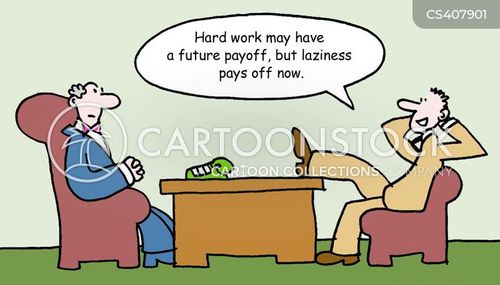
Have any of the workers who want the increase in pay stopped and thought about how higher pay means less jobs. Especially in a fast food place or small business, the higher they pay one worker the more likely they wont be able to hire another. Which one promotes unemployment in younger generations and means more work for the people who did get hired because they are understaffed. Clearly the people really pushing for the increase, the ones who want to make enough to afford to get high but still live in their parents basement, haven't thought about that scenario. And if they did I'm sure they'd jump bandwagons because we all know they want to do as little work as possible.

Our country always boasts that we are the best of the best, that no one is better than a true American. But do we really want to boast when in a sense we are promoting laziness. Or is that our new American dream? Just getting by. For those in a truly difficult situation or those with really no ambitions in life, sure stay in the minimum wage hole. But for the teens and young adults who have true potential and just need a kick in the pants, why encourage them to waste their lives in a dead end job? We all, by nature, are inherently lazy. Getting up to do my blog was a small battle that I had to win. But I won it. But if it was due and I didn't do it at all but was still given the same grade as someone who put in the time and effort to do it, I guarantee I would not have woken up and wrote this. Same goes for jobs I think, if I were to make a good enough pay check making pizzas to go out with friends, pay bills, get food, gas, and have a little extra left over; why would I have the desire to further my education to get a better job when I'm doing alright just making pizzas. But I don't want to make pizzas for the rest of my life. And I know some people don't want to work at McDonalds, Wal-Mart, Wendy's, etc., for the rest of theirs because they actually want to make a difference. We need to correct the overwhelming urge to do nothing in the next generation, not encourage it by making it more appealing to have a lower class job, so that we can do more for the world than just taking your order.

Have any of the workers who want the increase in pay stopped and thought about how higher pay means less jobs. Especially in a fast food place or small business, the higher they pay one worker the more likely they wont be able to hire another. Which one promotes unemployment in younger generations and means more work for the people who did get hired because they are understaffed. Clearly the people really pushing for the increase, the ones who want to make enough to afford to get high but still live in their parents basement, haven't thought about that scenario. And if they did I'm sure they'd jump bandwagons because we all know they want to do as little work as possible.
Our country always boasts that we are the best of the best, that no one is better than a true American. But do we really want to boast when in a sense we are promoting laziness. Or is that our new American dream? Just getting by. For those in a truly difficult situation or those with really no ambitions in life, sure stay in the minimum wage hole. But for the teens and young adults who have true potential and just need a kick in the pants, why encourage them to waste their lives in a dead end job? We all, by nature, are inherently lazy. Getting up to do my blog was a small battle that I had to win. But I won it. But if it was due and I didn't do it at all but was still given the same grade as someone who put in the time and effort to do it, I guarantee I would not have woken up and wrote this. Same goes for jobs I think, if I were to make a good enough pay check making pizzas to go out with friends, pay bills, get food, gas, and have a little extra left over; why would I have the desire to further my education to get a better job when I'm doing alright just making pizzas. But I don't want to make pizzas for the rest of my life. And I know some people don't want to work at McDonalds, Wal-Mart, Wendy's, etc., for the rest of theirs because they actually want to make a difference. We need to correct the overwhelming urge to do nothing in the next generation, not encourage it by making it more appealing to have a lower class job, so that we can do more for the world than just taking your order.
Saturday, January 21, 2017
I'll Vote for You, but Not be Seen With You
Social Media is notorious for the "I'll say what I want to you, but not to your face". But I didn't think it would carry to the disrespect of the now swore in president, Trump. Now I'm not the biggest fan of him but if I were to tweet or post saying "I'd vote for Trump and your should too", then I'd back that up with real life. Some of the most influential people of our time did this. The A list celebrities who were all for Trump are suddenly worried about their image after receiving invitations to his inauguration. Now if the president I was helping campaign for, the president I tried to persuade my fans to voting for, sent me a personal invitation to him getting sworn in (something they said they wanted) I wouldn't just be ecstatic, I would be honored. But they practically all declined. Because they don't wanna be seen at a Trump function ? Is that really how you want to welcome our next leader ? By embarrassing him ? By giving him false hope that he would have a crowd of famous people to raise his already blemished name ? Again, I'm not the biggest fan, but even I wouldn't do that. I know Trump doesn't need any help pumping up his ego, he can handle that himself. But I'm sure that was a blow to him as a leader and and influential icon to see how many people didn't want to go and show support because they didn't want to be seen showing support.

But the fact of the matter is, these sought after celebs are snatching but the usually hard to come buy inauguration tickets because quite simply they don't want them. They don't want to attend. "Historic and wonderful as it is, I'd rather cut my own liver out with a butter knife (than go). This comes straight from a columnist who made rounds supporting and vouching for Trump and now wont go. And some celebs (in my opinion) stooped lower than just declining, and just never said yes or no. So when someone asks who's coming to the inauguration they would have to answer with the embarrassing answer of, "I'm not sure". They have the balls to say yes, I'll go and give you the support I've supposedly been giving the beginning. Or a no, I don't want to be seen with you. His campaign was thoroughly mocked for its lack of big brand names and now it is happening at one of the most important events of his life and in history in general.

My question is, why does it matter so much if you have all the big names who say anything to raise their names just a little higher? Now trust me I understand the want to have the A listers at the inauguration, it defiantly helps it be a more sought after event to go to is all the famous people are there. But wouldn't it mean more to have all the little people there? Invite the people who stood by him during the chaos and riots. Who despite his vulgar and out there mannerisms, still casted their vote for him because they saw a future they wanted in his ideas. I understand why the famous people who are pro-Trump are highly desired by Trump. But at they same time if they refuse to be seen with him, refuse to show support in real life. How big of Trump fans could they be. Yes, celebs have a big impact, but the "little" people of this world are the ones who stick by what they say. Cause frankly, unlike people who rely on what others think, they don't give a damn.

But the fact of the matter is, these sought after celebs are snatching but the usually hard to come buy inauguration tickets because quite simply they don't want them. They don't want to attend. "Historic and wonderful as it is, I'd rather cut my own liver out with a butter knife (than go). This comes straight from a columnist who made rounds supporting and vouching for Trump and now wont go. And some celebs (in my opinion) stooped lower than just declining, and just never said yes or no. So when someone asks who's coming to the inauguration they would have to answer with the embarrassing answer of, "I'm not sure". They have the balls to say yes, I'll go and give you the support I've supposedly been giving the beginning. Or a no, I don't want to be seen with you. His campaign was thoroughly mocked for its lack of big brand names and now it is happening at one of the most important events of his life and in history in general.
My question is, why does it matter so much if you have all the big names who say anything to raise their names just a little higher? Now trust me I understand the want to have the A listers at the inauguration, it defiantly helps it be a more sought after event to go to is all the famous people are there. But wouldn't it mean more to have all the little people there? Invite the people who stood by him during the chaos and riots. Who despite his vulgar and out there mannerisms, still casted their vote for him because they saw a future they wanted in his ideas. I understand why the famous people who are pro-Trump are highly desired by Trump. But at they same time if they refuse to be seen with him, refuse to show support in real life. How big of Trump fans could they be. Yes, celebs have a big impact, but the "little" people of this world are the ones who stick by what they say. Cause frankly, unlike people who rely on what others think, they don't give a damn.
Saturday, January 14, 2017
Is Happiness Truly the Key?
In the Article, Adam Smith and Human Flourishing, Ryan Hanley discusses Adam Smith and his views and hopes on a flourishing society. A lot in this article flew over my head because I've never really viewed society the way Adam Smith does. One repeating concept that is hard to miss is happiness. Now I've always heard if you're happy then everything/ everyone around you will feel that and begin to be happy as well. But maybe that's just my optimistic mom trying to get me to not be cranky all the time. But Adam Smith makes the argument that if one is flourishing, then so shall the rest. That if the society itself is, again, flourishing so will the people apart of it. And that kind of struck a cord because of how true that is. Whenever something is going well for the larger portion of any group, it lifts the smaller portion higher, if not to the same state as them.

The article is summarizing a book, now on my reading list, written by Smith called, The Wealth of Nations. In the book there are three main topics in which it is divided. In the first, Economic Flourishing, it discuses the, "improvement in the circumstances of the lower ranks of the people." Smith knew that people would not be fond of the idea, thinking that it would, "translate into a new taste for luxury, leading to dissatisfaction with previous conditions, as well as the claim that high wages would tend to sap industriousness and incentivize laziness." But Smith ignored this concept and continued on with his belief of 'human flourishing'. Usually the larger chunk of a society are the workers, the people who serve the one percent. But how can a society 'flourish' if the main portion of the people are struggling to get by? The workers of the world feed and 'work' for the more fortunate, yet don't get to direct any of their hard work towards themselves, and if they do its not as great as what the higher up people are receiving. Hardly seems fair.

The second section is about 'Political Flourishing'. Adam Smith, "defined the flourishing economic order not as that which allows only a part of society to benefit, but one that instead promotes the flourishing of society as a whole". Referencing the beginning of this blog, it seems to be a key element with Smith that the WHOLE society benefits and not just part. Smith makes the point that all people within a society 'stand in need' of the others help. Smith then compares the flourishing, happy, ideal version of a society to one with out that bond who just work to benefit themselves. He makes it clear that that gloomy version of society can sustain in our reality. He does not make this comparison to try and bring a lighter side to the "everyman for himself" attitude so many people have. He points out how 'grim' that lifestyle would be to contrast the bright future his ideal society would have.
The third, and just as important section is, 'Moral Flourishing'. Up until this point the main focus has been how a society could, and should flourish. But Smith dives deeper into how an individual can flourish. In this section Adam Smith makes the statement, "How selfish soever man may be supposed, there are evidently some principles in his nature, which interest him in the fortune of others, and render their happiness necessary to him, though he derives nothing from it except the pleasure of seeing it." The point happiness comes up again. That others happiness is vital to ours and vice versa. The question that was asked at the end of the article was, "Once again, Smith gives reasons for s to wonder whether our happiness can in fact be separated from the happiness of those around us." And I don't think we can. When the world around you is happy, aren't you picked up from that dark place, even if its only a little. When your best friend, mother, significant other, etc., is down and not doing well; doesn't your mood decrease, if only slightly? If your coworkers and family are succeeding in life doesn't that make you want to work harder and flourish in your own? Overall, I've realized: if the society around you is succeeding, eventually so will you, happiness is a bigger player in the grand scheme of things than one may think, and that Adam Smith really really enjoys the word flourish.

The article is summarizing a book, now on my reading list, written by Smith called, The Wealth of Nations. In the book there are three main topics in which it is divided. In the first, Economic Flourishing, it discuses the, "improvement in the circumstances of the lower ranks of the people." Smith knew that people would not be fond of the idea, thinking that it would, "translate into a new taste for luxury, leading to dissatisfaction with previous conditions, as well as the claim that high wages would tend to sap industriousness and incentivize laziness." But Smith ignored this concept and continued on with his belief of 'human flourishing'. Usually the larger chunk of a society are the workers, the people who serve the one percent. But how can a society 'flourish' if the main portion of the people are struggling to get by? The workers of the world feed and 'work' for the more fortunate, yet don't get to direct any of their hard work towards themselves, and if they do its not as great as what the higher up people are receiving. Hardly seems fair.
The second section is about 'Political Flourishing'. Adam Smith, "defined the flourishing economic order not as that which allows only a part of society to benefit, but one that instead promotes the flourishing of society as a whole". Referencing the beginning of this blog, it seems to be a key element with Smith that the WHOLE society benefits and not just part. Smith makes the point that all people within a society 'stand in need' of the others help. Smith then compares the flourishing, happy, ideal version of a society to one with out that bond who just work to benefit themselves. He makes it clear that that gloomy version of society can sustain in our reality. He does not make this comparison to try and bring a lighter side to the "everyman for himself" attitude so many people have. He points out how 'grim' that lifestyle would be to contrast the bright future his ideal society would have.
The third, and just as important section is, 'Moral Flourishing'. Up until this point the main focus has been how a society could, and should flourish. But Smith dives deeper into how an individual can flourish. In this section Adam Smith makes the statement, "How selfish soever man may be supposed, there are evidently some principles in his nature, which interest him in the fortune of others, and render their happiness necessary to him, though he derives nothing from it except the pleasure of seeing it." The point happiness comes up again. That others happiness is vital to ours and vice versa. The question that was asked at the end of the article was, "Once again, Smith gives reasons for s to wonder whether our happiness can in fact be separated from the happiness of those around us." And I don't think we can. When the world around you is happy, aren't you picked up from that dark place, even if its only a little. When your best friend, mother, significant other, etc., is down and not doing well; doesn't your mood decrease, if only slightly? If your coworkers and family are succeeding in life doesn't that make you want to work harder and flourish in your own? Overall, I've realized: if the society around you is succeeding, eventually so will you, happiness is a bigger player in the grand scheme of things than one may think, and that Adam Smith really really enjoys the word flourish.
Saturday, January 7, 2017
Rich yet Poor?
Our country is in debt. There is no secret about it. And yet we are one of the richest economies in the world. In the article, Putting America's ridiculously large $18T economy into perspective by comparing US state GDPs to entire countries, Mark Perry puts into perspective the amount of money each state in the US puts out in comparison to other countries. California alone can beat out the entire country of France. California has a workforce of around 19 million, whereas France as a little more than 25 million workers. California could literally be able to be its own country with the amount of money we make, despite the fact it has less workers. And smaller states like New York is right up there with South Korea. Florida was ranked with Indonesia. New York, California, and Texas, if they were separate countries, would have ranked in the top eleven in the worlds largest economies. US put out $18 trillion in 2015 and yet somehow no matter how much we make we can never seem to crawl of our debt hole.

Reading through the article I had the most common question apparently, "where is all of our money going?". I'm aware a large chunk goes to the military fund, and as a military brat I'm a little biased and believe its a good way to spend the money. I also understand there are things throughout the country that the money needs to go to but, why oh why are we this far in debt. But reading through the comments on the article and getting more and different perspectives that question seems to drift away. One comment sparked in my mind. Not the question of where its all going, but why is our country so expensive to live in and afford if we have no problem making money. Health care, housing, college why is it so hard to pay for when in reality we are flushed with cash. But at the same we have nothing. We can afford them obviously, we do we survive. But they are so high its becoming increasingly harder to.

Reading through others insights into the problem and I keep seeing "regulations" popping up and how if more of them were repealed it would making living here so much less of a money ordeal. I'm not very familiar with regulations and taxes and all the nonsense. I'm only 17 and I'd like to hold to not adulting in that way for just a second longer. But from what I've heard taxes seems to be only rising. I, myself, don't have any real plans besides the simple, " we need to save the money, spend it wisely, and pay off our debts, don't spend more than we make." But the fact is we make plenty, our states make more than whole countries. But whatever the solution, it needs to begin to be resolved to avoid a further increase in taxes and increase in our seemingly never ending debt. We have one of the richest economies yet we also one of the poorest. First place and last? Slightly embarrassing...

Reading through the article I had the most common question apparently, "where is all of our money going?". I'm aware a large chunk goes to the military fund, and as a military brat I'm a little biased and believe its a good way to spend the money. I also understand there are things throughout the country that the money needs to go to but, why oh why are we this far in debt. But reading through the comments on the article and getting more and different perspectives that question seems to drift away. One comment sparked in my mind. Not the question of where its all going, but why is our country so expensive to live in and afford if we have no problem making money. Health care, housing, college why is it so hard to pay for when in reality we are flushed with cash. But at the same we have nothing. We can afford them obviously, we do we survive. But they are so high its becoming increasingly harder to.
Reading through others insights into the problem and I keep seeing "regulations" popping up and how if more of them were repealed it would making living here so much less of a money ordeal. I'm not very familiar with regulations and taxes and all the nonsense. I'm only 17 and I'd like to hold to not adulting in that way for just a second longer. But from what I've heard taxes seems to be only rising. I, myself, don't have any real plans besides the simple, " we need to save the money, spend it wisely, and pay off our debts, don't spend more than we make." But the fact is we make plenty, our states make more than whole countries. But whatever the solution, it needs to begin to be resolved to avoid a further increase in taxes and increase in our seemingly never ending debt. We have one of the richest economies yet we also one of the poorest. First place and last? Slightly embarrassing...
Subscribe to:
Comments (Atom)